MAPPA-en
Kenya - Born Healthy, Growing Well-Nourished
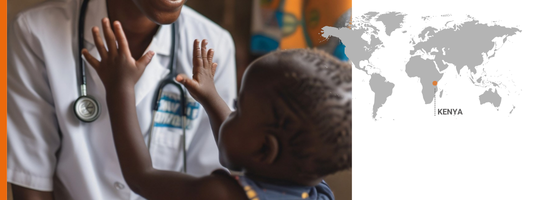
BORN HEALTHY, GROWING WELL-NOURISHED – Community-based services to combat maternal and child malnutrition in remote areas of metropolitan Nairobi
AREA OF INTERVENTION
Kasarani Sub-County, Nairobi, Kenya
OBjective
To combat malnutrition and promote proper and healthy nutrition that goes beyond current programming, complementing existing national policies to fight malnutrition. The project aims to provide the necessary supplies (both food and equipment) to ensure adequate nutritional supplements for children in situations of particular vulnerability and for pregnant or breastfeeding women. It also seeks to strengthen the number and quality of screenings for moderate and severe acute malnutrition carried out by trained healthcare and social-health personnel.
CONTEXT
According to the Global Hunger Index 2021, Kenya ranks 87th out of 116 countries, with a score of 23, falling into the “serious” hunger category. Over the last two decades, the country has made significant progress in fighting hunger—moving from an “alarming” to a “serious” situation—but improvements have slowed considerably since 2012. Today, a large portion of the population still lives in food insecurity: about one-quarter of Kenyans are undernourished, while child malnutrition—particularly stunting—remains high. Infant mortality, although decreasing, continues to decline too slowly.
Kenya is especially vulnerable to climate change: over 70% of the population depends on rain-fed agriculture. Recurrent droughts in recent years have reduced crops and livestock, seriously affecting rural and pastoral communities. This situation has been further aggravated by the Covid-19 pandemic, which has increased poverty in urban areas and limited access to nutritional and health services. Children under five and pregnant or breastfeeding women are among the most affected, facing severe consequences for their health, development, and survival. Competition over increasingly scarce natural resources—such as water and fertile land—also fuels tensions and internal migrations, further worsening food insecurity.
MMI aCTIVITIES
-
Expand coverage of community services for the integrated management of moderate (MAM) and severe (SAM) acute malnutrition.
-
Improve maternal and child nutritional status, focusing on newborns and children under five.
BENEFICIARIES
The direct beneficiaries of the initiative will be 11,488 people, including:
- 5,130 children aged 0–59 months who will participate in screening sessions for the early detection of malnutrition during dedicated screening weeks and follow-up days for monitoring nutritional and health conditions.
- 1,000 women of reproductive age engaged through intervention health centers in awareness sessions on proper nutrition for themselves and their children, using locally available ingredients, hygiene and sanitation practices, and malnutrition prevention.
- 1,178 children who will receive therapeutic feeding.
- 1,000 pregnant women who will receive essential supplements to support pregnancy and adequate caloric intake for fetal and newborn health.
- 150 households that will benefit from home follow-up visits.
- 3,000 people (parents and community members) who will take part in nutrition education and food security sessions.
- 30 community health volunteers (CHVs) from the participating health centers trained in prevention, early identification, and outpatient treatment of malnutrition (10 operators from each of the 3 target health centers).
Indirectly, the intervention will benefit approximately 45,000 people, representing the families of those directly reached by the project’s services.
PROJECT LEAD
- Medicus Mundi ETS
LOCAL PARTNER
- Nairobi Metropolitan Services – NMS
CO-FUNDING
Project funded by the Presidency of the Council of Ministers through the “Eight per Thousand” (0.8%) share of personal income tax (IRPEF)
Every donation is a meaningful action that has the power to make a real difference in the lives of many
DONATE NOW
To support our projects you can:
make an online donation
make a money transfer to Medicus Mundi Italia ETS IT82O0869211202017000175403

Medicus Mundi Italia MMI - ETS
CF 98011200171
Via Collebeato 26, 25127 Brescia BS
Tel. +39 030 37 52 517 - 030 69 50 381
WhatsApp +39 351 3051779